Why Reviewer Accountability Matters
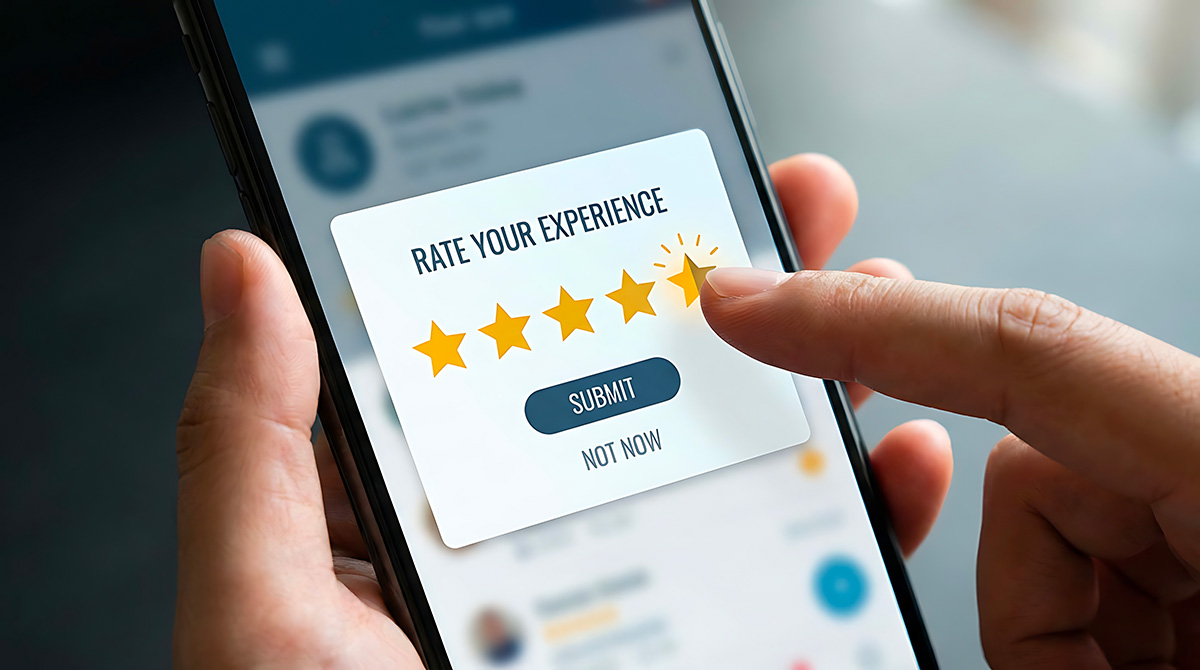
Online reviews shape the way we choose restaurants, hire contractors, book hotels, and buy products. They hold enormous power over businesses and consumers alike. Yet there's a glaring blind spot in this system: the reviewers themselves are almost never held accountable. Anyone can post a review, fair or not, with virtually no consequences. In this article, we'll explore why this lack of accountability is a problem and what can be done about it.
The Power of a Single Review
It's easy to underestimate the impact of one review. But for a small business, a single one-star review on Google or Tripadvisor can mean the difference between a full restaurant and an empty one. Studies have shown that even a half-star difference in a business's average rating can significantly affect revenue. When a single person has that much influence, it seems only fair that they should be held to some standard of honesty.
Yet on most platforms, the reviewer remains anonymous and untouchable. They can exaggerate, distort the truth, or even fabricate an experience entirely, and the business owner has no real recourse. Sure, you can flag a review or leave a public response, but the damage is often already done. The review is visible, it affects the average rating, and potential customers move on to a competitor.
When Reviews Become Weapons
Most people leave reviews in good faith. But a growing minority use them as tools of manipulation. Some customers threaten businesses with negative reviews to get discounts, refunds, or free products they're not entitled to. Others leave vindictive reviews after a personal disagreement that had nothing to do with the quality of service.
Competitors also exploit the system. As we explored in our article on spotting fake reviews, it's not uncommon for businesses to post, or pay for, negative reviews on a rival's page. The reviewer in this case is not a genuine customer but an agent of sabotage, and the platform has no effective way to distinguish them from a legitimate reviewer.
Then there are the reviewers who simply don't care about accuracy. They leave a one-star review because the parking was difficult, even though the food and service were excellent. Or they give five stars to a friend's business without ever setting foot in it. In all these cases, the lack of accountability means there are no consequences for dishonesty.
The Imbalance of Power
There's a fundamental asymmetry in the current review ecosystem. Businesses are publicly rated, ranked, and judged. Their reputation is on display for the world to see. But the people doing the judging? They operate in the shadows. A reviewer on Yelp or Facebook can accumulate dozens of reviews without anyone ever evaluating whether their feedback is fair, accurate, or even real.
This imbalance has real consequences. Business owners, especially those running small or independent operations, often feel powerless against unfair reviews. They invest years building their reputation, only to see it damaged by someone who faced no scrutiny whatsoever. As we discussed in our article on reviewing bad customers, accountability should work both ways.
The same logic applies to influencer marketing. As we covered in our piece on spotting fake influencers, influencers can promote products they've never used and face no repercussions. The pattern is always the same: those with the loudest voice have the least accountability.
What Accountability Looks Like
Reviewer accountability doesn't mean silencing criticism. Honest negative reviews are valuable and necessary. They help businesses improve and they help consumers make informed choices. The goal isn't to suppress feedback, but to create a system where the feedback itself can be evaluated in context.
Imagine being able to see a reviewer's track record before deciding how much weight to give their opinion. Do they consistently leave thoughtful, balanced reviews? Or do they mostly post extreme one-star or five-star ratings with little explanation? A reviewer's history says a lot about whether their latest review should be taken seriously.
That's exactly the kind of transparency that Rebolio brings to the table. On our platform, you can look up reviewers from Tripadvisor, Google Maps, Yelp and Facebook, and see what others think about their credibility. Each reviewer has a Trust Score that reflects whether they're seen as fair and honest by the people who've interacted with them.
Building a Fairer Review Ecosystem
The beauty of reviewer accountability is that it benefits everyone. Consumers get more reliable information, because reviews from trusted reviewers carry more weight. Honest reviewers get the recognition they deserve, because their credibility becomes visible. And businesses get a fairer playing field, because manipulative or dishonest reviews can be put into context.
It also creates a natural deterrent against abuse. When reviewers know that their own reputation is at stake, they're more likely to be thoughtful and honest. The same principle that makes businesses care about their ratings can apply to the people writing those ratings. It's not about punishment: it's about creating an environment where fairness is the norm.
At Rebolio, we believe that every voice in the review ecosystem should be accountable, whether you're a customer, an influencer, or a reviewer. If you've ever felt frustrated by an unfair review, or if you simply want to recognize a reviewer who consistently provides honest feedback, we invite you to create a free account and join the conversation. Together, we can build a review ecosystem that's transparent, balanced, and fair for everyone.
Know a Suspicious Reviewer?
Rate them on Rebolio!
Help others by rating reviewers you've come across on platforms like Yelp, Tripadvisor or Google.
Browse ReviewersRebolio in Numbers
- 4126 members
- 59 reviews
- 63 customers
- 1127 influencers
- 346 reviewers
Did You Know?
82% of consumers specifically seek out negative reviews before buying.
Join the Review-lution!
Create a free account and start rating customers, influencers, and reviewers.
Sign Up Free