How to Spot Fake Influencers Online
Influencer marketing has become a major channel for businesses of all sizes. But with the rise of this industry comes a growing problem: fake influencers. These are individuals who inflate their follower counts, fabricate engagement, and ultimately deceive the brands that pay them for promotion. In this article, we'll look at how to identify fake influencers before you invest your marketing budget, and what you can do to protect your business.
What Exactly Is a Fake Influencer?
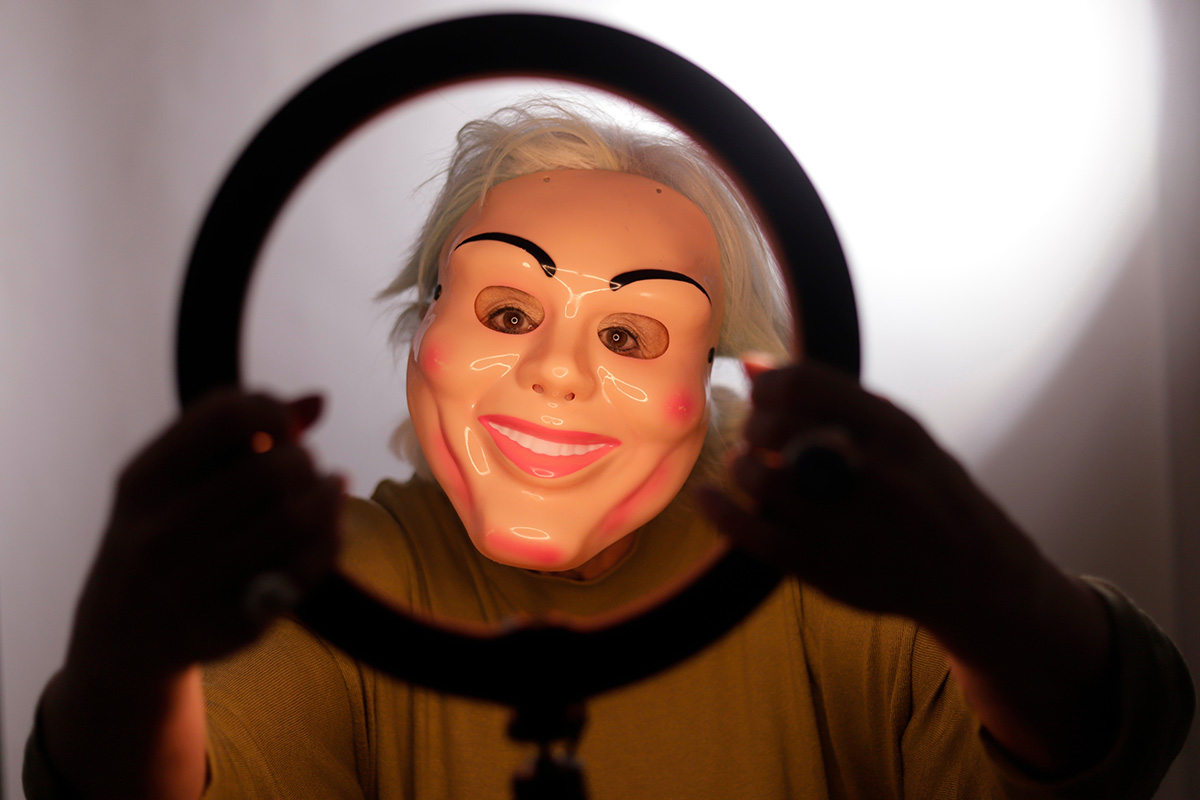
A fake influencer is someone who artificially inflates their online presence to appear more popular and influential than they really are. The most common method is buying followers: for a few dollars, anyone can purchase thousands of followers on Instagram, YouTube, Pinterest or any other social media platform. These followers are typically bots or inactive accounts that will never engage with any content.
Some fake influencers go further by joining engagement pods, which are groups of people who agree to like and comment on each other's posts to create the illusion of genuine interaction. Others use automated services that generate likes, views, and even comments on their content. The result is a profile that looks impressive at first glance but delivers zero real value to the brands that partner with them.
The Warning Signs of a Fake Influencer
The most reliable indicator is the follower-to-engagement ratio. A genuine influencer with 100,000 followers might expect an engagement rate of 1% to 5% per post, meaning roughly 1,000 to 5,000 likes, comments, and shares. If an account has hundreds of thousands of followers but only gets a handful of interactions on each post, the followers are very likely bought.
Another red flag is sudden follower spikes. Organic growth tends to be gradual and steady. If an influencer's follower count jumps by tens of thousands overnight without any obvious reason (such as a viral post or media coverage), it strongly suggests that followers were purchased. Many analytics tools can show you an influencer's follower growth history, which makes this pattern easy to spot.
Take a close look at the quality of comments as well. Genuine followers leave comments that are specific to the content: they ask questions, share opinions, or reference details from the post. Fake engagement often consists of generic comments like "Great post!", "Amazing!", "Love this!" or strings of emojis with no real substance. If the majority of comments look like they could apply to absolutely any post, that's a warning sign.
Finally, examine the influencer's audience. If a supposedly American lifestyle influencer has most of their followers from countries where follower farms are prevalent, something doesn't add up. Tools like HypeAuditor or Social Blade can give you a breakdown of an influencer's audience demographics and help you assess authenticity.
The Cost of Working With Fake Influencers
The most immediate cost is a wasted marketing budget. If you're paying an influencer whose followers are bots, your product or service is being promoted to an audience that doesn't exist. You won't see any return on your investment: no website traffic, no sales, and no brand awareness.
Beyond the financial loss, partnering with a fake influencer can damage your brand's credibility. If your customers or competitors notice that you're associated with someone known for fake engagement, it reflects poorly on your business. In an age where authenticity is highly valued, being linked to fraudulent practices can erode the trust you've built with your audience.
There's also the opportunity cost. Every dollar spent on a fake influencer is a dollar that could have gone toward a genuine creator who actually engages their community. Small businesses, in particular, can't afford to waste their limited marketing budget on partnerships that deliver nothing.
How to Protect Your Business
Before entering any partnership, do your due diligence. Spend time looking through the influencer's recent posts, their comments, and their follower list. If something feels off, it probably is. Don't rely solely on follower counts: focus on engagement quality and audience relevance instead.
Consider using analytics tools designed specifically for influencer vetting. Platforms like HypeAuditor, Social Blade, and Modash can analyze an influencer's audience for fake followers, show engagement trends over time, and flag suspicious activity. Many of these tools offer free basic reports that already provide valuable insights.
You should also ask for case studies or references from previous brand partnerships. A legitimate influencer will have no problem sharing results from past campaigns, whether it's screenshots of analytics, testimonials from brands, or concrete conversion data. If an influencer is vague about their past results, consider it a red flag.
And of course, you can check what other businesses have to say about them. On Rebolio, you can look up influencers from platforms like Instagram, YouTube and Pinterest, and see if anyone has already shared their experience working with them.
Rate Influencers: Help Others Make Better Decisions
Just like you can read and write reviews for products and services, it makes sense to be able to review the people promoting them. That's what Rebolio enables you to do. Whether you had a great experience with a professional and reliable influencer, or a terrible one with someone who turned out to be completely fake, your feedback helps other businesses make more informed decisions.
Each influencer on Rebolio has a Trust Score based on reviews from real businesses and professionals. A high Trust Score signals that an influencer is reliable and delivers on their promises. A low one is a clear warning for others to stay away. It's a simple but powerful system that brings transparency to influencer marketing.
As we discussed in our articles about spotting fake reviews and reviewing bad customers, accountability works both ways. If you've worked with influencers, good or bad, we invite you to create a free account and share your experience. The more businesses participate, the harder it becomes for fake influencers to thrive.
Worked With an Influencer?
Share your experience!
Help other businesses by rating influencers you've collaborated with on Instagram, YouTube, Pinterest and more.
Browse InfluencersRebolio in Numbers
- 4126 members
- 59 reviews
- 63 customers
- 1127 influencers
- 346 reviewers
Did You Know?
Customers are likely to spend 31% more on a business with excellent reviews.
Join the Review-lution!
Create a free account and start rating customers, influencers, and reviewers.
Sign Up Free